JSPC '1983–92
The All Japan Sports Prototype Championship, abbreviated as JSPC, formed by the Japan Automobile Federation, was a domestic championship which took place in Japan for Group C and IMSA GTP prototype cars and also featured cars that were eligible for touring car racing in its earlier years. Class A and Class B for production cars which were defined by the FIA (Group A and Group B) and the lead category, Class C would be for cars that are similar to IMSA's Camel Lights and the WEC's C2, whereas Class D was for C1/GTP cars.
Mazda 767B '1989
总产量2辆
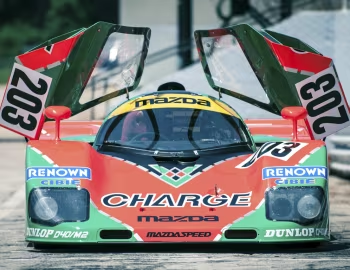
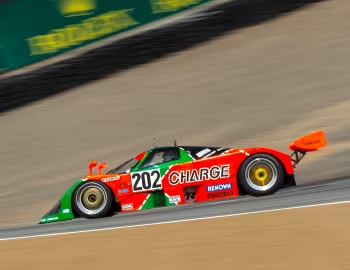
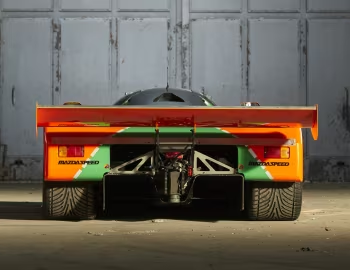
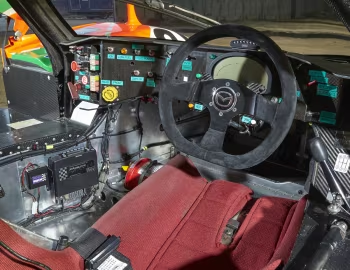
For 1989, Mazda upgraded the 767 into the 767B, and initially tested it in the IMSA 24 Hours of Daytona, where it was successful in finishing 5th overall. Later in the year, Mazda returned to Le Mans with two 767Bs as well as an older 767. The 767Bs were able to finish 7th and 9th overall, while the lone 767 was able to finish 12th. For 1990, a single 767B was entered alongside two newer 787s, and was the only car of the three to finish, although in 20th overall.
Mazda 787 '1990
总产量2辆
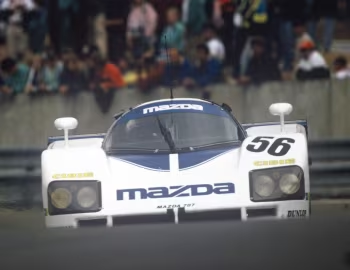
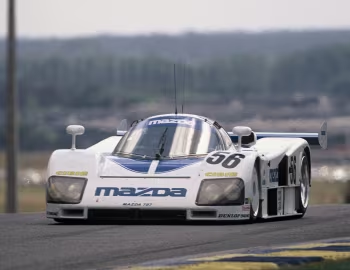
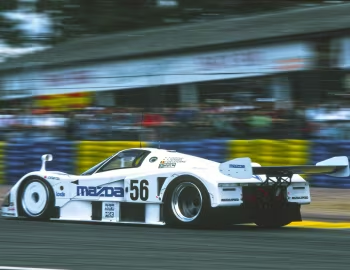
Mazda 787B '1991
总产量3辆
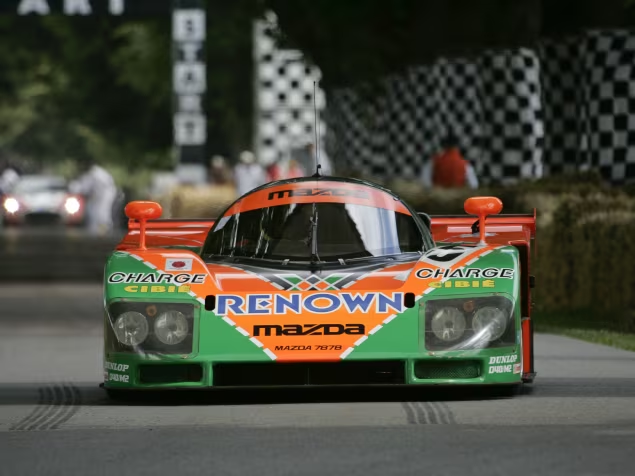
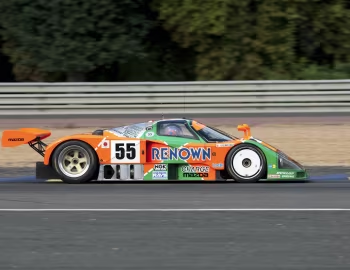
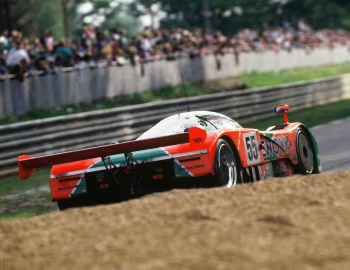
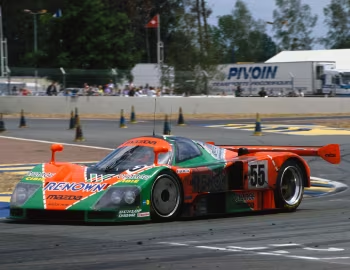
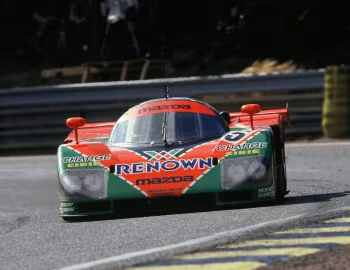
Победитель суточного марафона Ле-Ман в 1991 году.
Первый японский болид, выигравший 24 часа Ле-Мана, причем с роторным двигателем.
Team Taku Mazda 767B '1991
总产量1辆
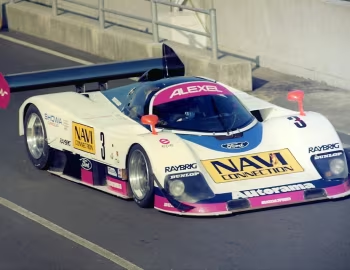


Toyota TS010 '1991–92
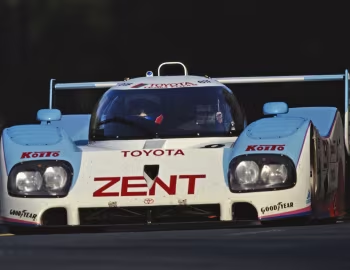
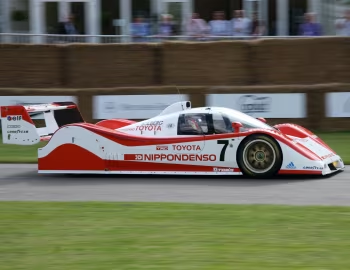
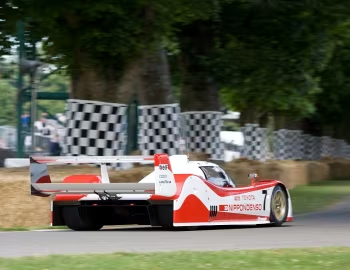
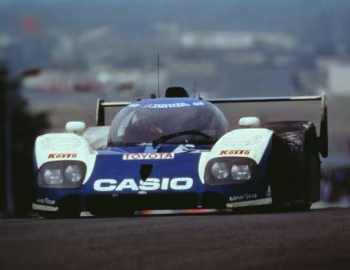
Автомобиль дебютировал под №36 28 октября 1991 года в финальной гонке чемпионата мира по спортивным автомобилям "430 км Автополиса" в Японии, прежде чем вступить в полный сезон в 1992 году, где он выиграл первую гонку в Монце, Италия.
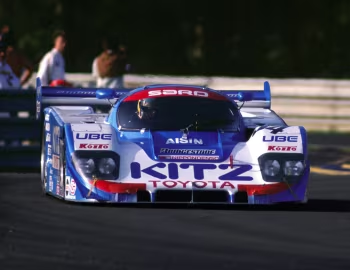
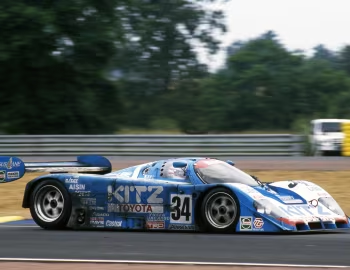
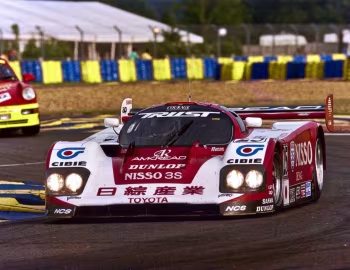
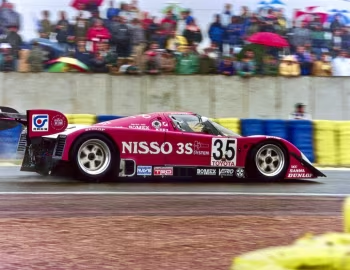
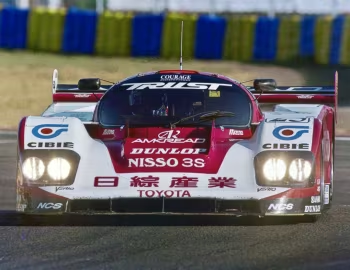
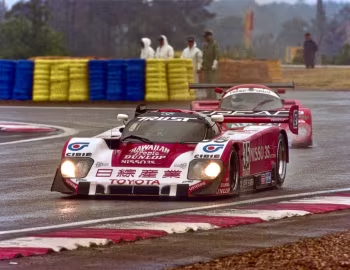
SARD Toyota 92C-V '1992
WheelsAge.org '2005–至今